Mindless Eating: How to Stop Snacking When You’re Not Hungry
Why you’re eating when you’re not hungry, and what actually helps
Let me describe a moment and see if it sounds familiar.
You’re not hungry.
But you’re in the kitchen anyway.
You open the fridge.
Close it.
Open the pantry.
You’re not craving a meal. You just want something.
And a few minutes later, you’re thinking,
“Why did I eat that? I wasn’t even hungry.”
If this happens to you, take a breath.
You’re human.
The real issue usually isn’t food
Most mindless eating has nothing to do with hunger.
It’s about:
- boredom
- stress
- mental overload
- avoiding a task
- wanting comfort or a break
Food is just fast relief. It’s available, predictable, and it works… briefly.
So your brain reaches for it.
Bored is bored. Hungry is hungry.
These get confused all the time.
Real hunger feels like:
- low energy
- stomach sensations
- irritability
- “I’d eat pretty much anything.”
Bored or emotional eating feels like:
- sudden urges
- specific cravings (crunchy, salty, sweet)
- eating even though you ate recently
- “I don’t know what I want, but I want something.”
And sometimes there’s a third thing going on.
Food noise (the part no one explains)
Food noise is when your brain won’t stop talking about food.
Not just cravings.
Not just hunger.
It sounds like:
- “What should I eat next?”
- “Did I eat too much?”
- “Should that have been healthier?”
- “What am I allowed to have later?”
It’s exhausting. And it makes “just don’t snack” feel impossible.
If you’ve ever thought, “I’m tired of thinking about food all the time,” this might be you.
One question that changes everything
Instead of asking:
“Should I eat?”
Ask:
“What do I actually need right now?”
Because food can’t fix:
- boredom
- stress
- loneliness
- burnout
- procrastination
It can distract you for a few minutes. That’s it.
Simple tools that work in real life
No tracking. No perfection. Just practical.
1) The 60-second pause
Before you eat, pause for one minute.
Say (out loud or in your head):
- “I’m not hungry. I’m bored.”
- “I’m not hungry. I’m stressed.”
- “I’m actually hungry.”
That’s all.
Why this works:
Most mindless eating happens on autopilot. Naming what’s happening interrupts the pattern.
2) The 5-minute rule
If you’re not sure you’re hungry, wait 5 minutes.
Set a timer.
Do one small thing:
- drink water
- step outside
- stretch
- tidy one surface
Often, the urge fades.
If it doesn’t, you can still eat. Now it’s a choice, not a reflex.
3) Stop making it easy to eat on autopilot
This is big.
If you’re bored and surrounded by snacks, eating becomes the default.
That doesn’t mean you can’t have treats.
It means
don’t make your biggest trigger foods easy to access.
Examples:
- No open bags on the counter
- Skip the family-size “just in case.”
- Don’t stock foods you eat mindlessly.
Your environment matters more than motivation.
4) Have a short “real snack” list
When you are hungry, wandering the kitchen leads to overeating.
Pick a few defaults:
- yogurt + fruit
- apple + string cheese
- cheese + crackers
- hummus + veggies
- leftovers
Fewer decisions = less food noise.
If this feels deeper than boredom
If food thoughts feel constant and intrusive, that’s not a willpower issue.
You may need:
- fewer food decisions
- calmer structure (not more rules)
- tools to quiet the mental noise
- support instead of self-blame
This is a systems problem, not a character flaw.
A question to sit with
When I reach for food when I’m not hungry, what am I hoping it gives me?
Relief? Distraction? Comfort? A pause?
That answer matters more than the snack.
If we were sitting on your couch
I’d tell you this:
You don’t need a stricter plan.
You need a plan that works when you’re tired, stressed, and not in the mood to “try harder.”
The goal isn’t to never snack.
The goal is to stop fighting your brain and stop using food as your only coping tool.
If this felt uncomfortably accurate and you’re tired of figuring it out alone, this is exactly the kind of work I do with clients: practical, calm, and shame-free.
And yes, it really can get easier than this.
Want support with this?
If mindless eating or constant food thoughts are wearing you down, this is exactly what I help clients work through.
You can apply for coaching here. If we’re a good fit, we’ll talk next steps — no pressure, no hard sell.
Click 👉🏻 Apply for coaching
YOU ARE CAPABLE OF LIVING YOUR HEALTHIEST & HAPPIEST LIFE.
If you’re looking to create healthy habits to gain more energy, improve your sleep + shed a few pounds, you’ve landed in the right place.
Recent Posts


Meet Emily
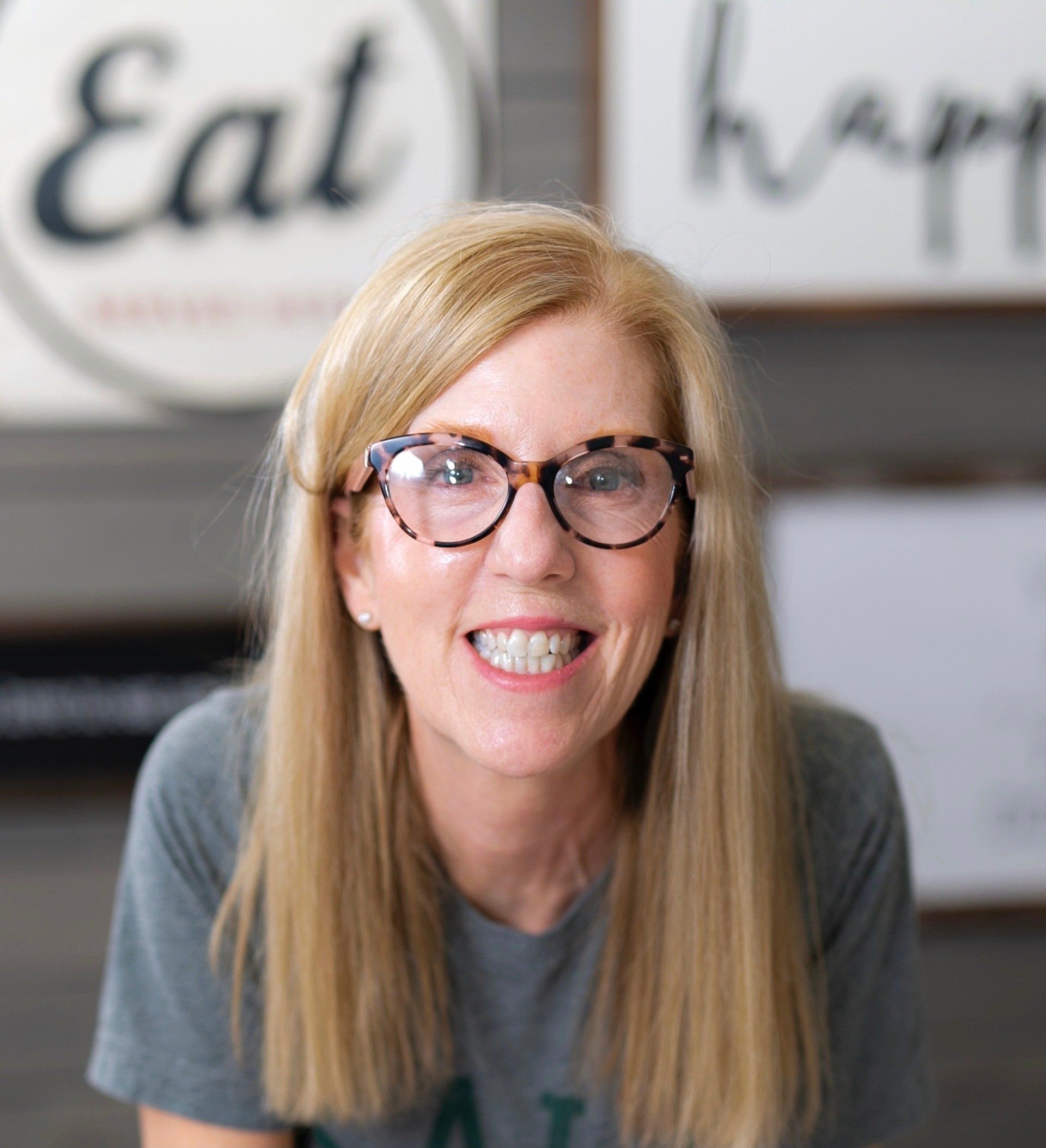
I love encouraging + inspiring others to reach their healthiest lives through food, fitness + gratitude. As a holistic nutritionist + the founder of Thrivyest, I am passionate about creating habits to help you to live longer + thrive. To thrive in body, mind + soul through personalized, simple + practical steps ensuring you gain more energy, clarity + confidence! Let's connect!
"The difference between where you are and where you want to be is what you do" Bill Phillips